

 to add an item to your Itinerary basket.

The National Stage (Den Nationale Scene)
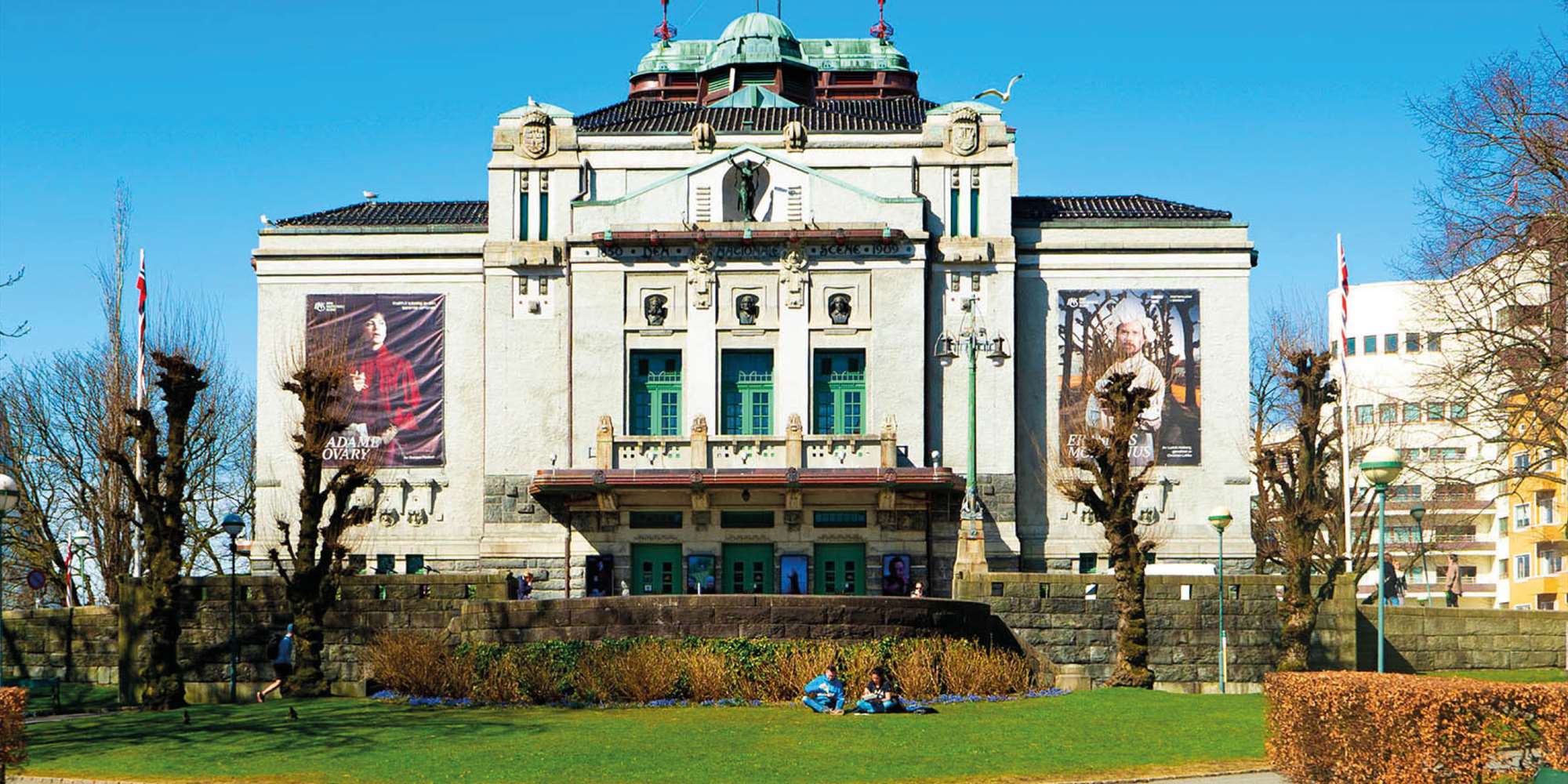
Engen 1
5011 Bergen
5011 Bergen

xxx km to City Centre
xxx km from Airport
Type:
Category
Concert hall
55 54 97 10


55 54 97 10

Bergen Card benefits:
Bergen Card benefits:
Bergen Card benefits:
Recently viewed
Sport
Welcome to a basketball celebration. Doors open at 18:00
You can expect more than basketball:
Exciting half-time show DJ Kingsley gets…
Sport
Welcome to a basketball celebration. Doors open at 18:00
You can expect more than basketball:
Exciting half-time show DJ Kingsley gets…
Concert
Christian Ingebrigtsen, Maria Arredondo, Alexander Rybak, Torstein Sødal, Ebba Lejonclou, Gaute Ormåsen, Frøydis Grorud, and musical director Øystein…
Other Sites

Visit Bergen
Strandkaien 3
NO-5013 Bergen



© Visit Bergen 2026